Ultra-processed food (UPF) has moved from academic journals to the front of pack. The evidence linking UPFs to poorer health outcomes keeps building, consumers are paying attention, and brands are starting to respond.
The difficulty is that there's no simple way to tell what counts as ultra-processed. The most widely used definition groups very different foods together, and most consumers can't tell which products fall into the category.
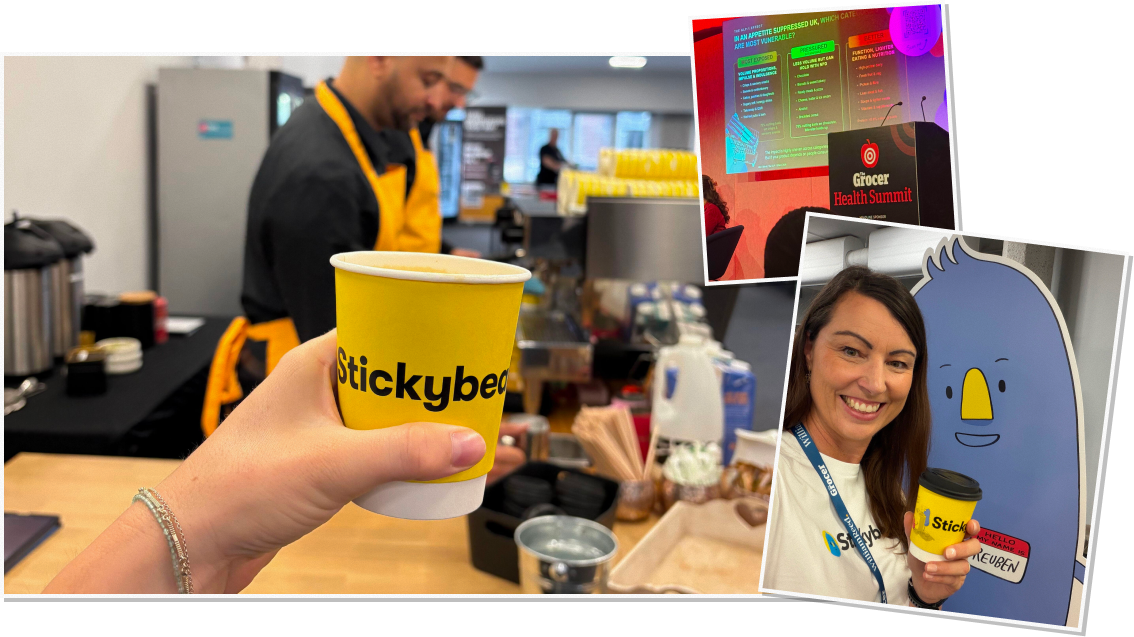
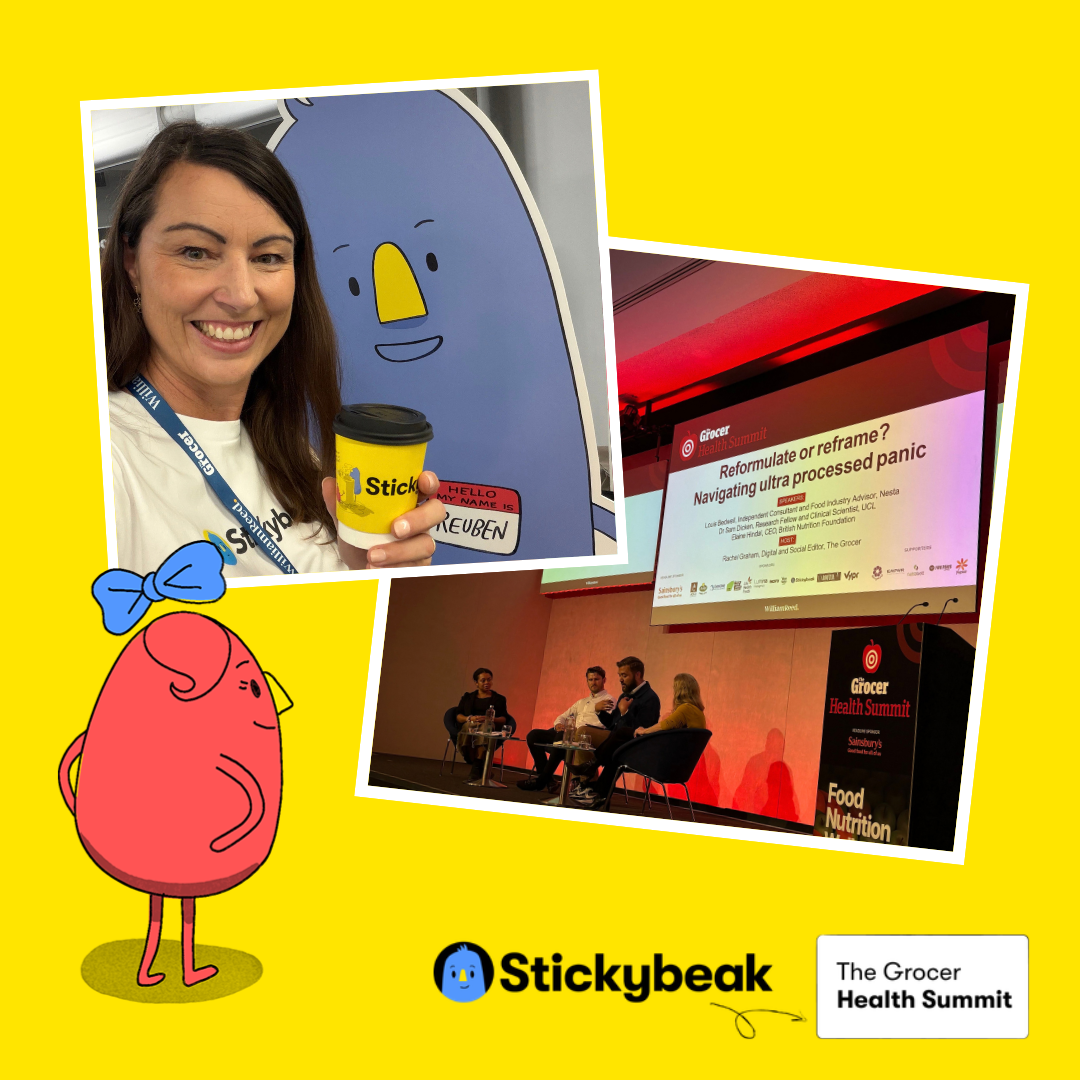
At The 2026 Grocer Health Summit, the UPF panel kept returning to one truth. The science is getting stronger, but the classification most research relies on hasn't kept pace.
Most UPF research uses the NOVA classification, which sorts food by how it's made rather than what's in it. Under NOVA, a loaf of packaged bread and a packet of biscuits can both count as ultra-processed. Most consumers wouldn't put them in the same category, and nutritionally, many wouldn't either.
For brands, this means products are being discussed against a framework that doesn't always match how people shop, eat or judge food.
The concern isn't confined to headlines. When we asked consumers which statement most closely describes them, 64% said they are either actively avoiding ultra-processed foods (24%) or trying to cut down on them (40%).
A further 22% are aware of UPFs but don't act on it. Only 3% said they didn't know what UPFs were.
For most consumers, UPFs are no longer a niche health topic. They're a factor in what goes into the trolley.
Awareness and intent don't translate into recognition. We showed consumers seven everyday products and asked which were ultra-processed. On average, they identified two correctly.
That isn't carelessness. "Ultra-processed" isn't something you can see, taste or judge in the aisle. It depends on ingredients and production methods that are invisible to most consumers at the point of purchase.
Taken together, the two findings show a clear gap. Nearly two-thirds of consumers are trying to reduce UPFs, yet most can't tell which products are ultra-processed. In that gap, a "UPF-free" claim on pack is doing a great deal of work that very few consumers are in a position to check.
Some brands have already seen the opportunity:
→ M&S and Tesco have started labelling own label ranges as free from ultra-processed ingredients
→ Bold Bean, Whitworths and Little Dish have built "not ultra-processed" into their brand positioning
For brands that can genuinely back the claim, it's a clear point of difference. Before following, though, two things are worth weighing.
Affordability. Removing UPF ingredients often adds cost. If "less processed" becomes shorthand for "healthier", the healthier option gets more expensive. That runs directly against the industry's wider goal of making healthier food easier to afford.
Speed. A "UPF-free" claim can be on pack within weeks of appearing in a brief. Reformulating without compromising taste, texture or shelf life takes far longer, if it's possible at all for that product. Copy can't outrun chemistry.
None of this is an argument against UPF claims. It's an argument for earning them. A "UPF-free" claim that stands up to scrutiny is valuable because many brands can't yet make one credibly.
It also means testing how consumers actually read the language before it goes on pack. "UPF-free", "no nasties" and "less processed" can sound similar in a brief. They can mean very different things to someone with five minutes and a trolley.
Before a claim goes on pack, find out how consumers read it. Don't guess it. Test it
Book a Stickybeak demo today.


.png)